Buying Guides
How to Choose a Stainless Steel Cabinet Dish Rack for Wholesale Projects
A practical guide for importers, distributors and kitchen hardware buyers on choosing stainless steel cabinet dish racks, including size, material, capacity, drainage, installation and OEM options.
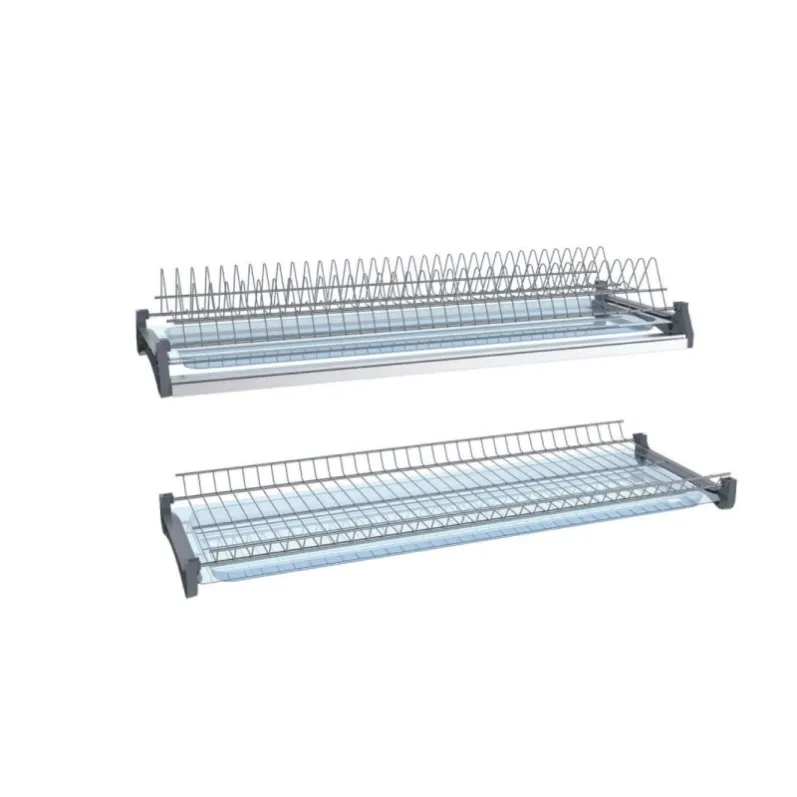
How to Choose a Stainless Steel Cabinet Dish Rack for Wholesale Projects
A cabinet dish rack may look like a simple kitchen accessory, but for importers, distributors and kitchen hardware brands, there are many details that can affect product quality and market acceptance.
Dimensions, stainless steel material, plate spacing, drainage design, installation structure and packaging all need to be considered before placing a bulk order.
For buyers sourcing stainless steel cabinet dish racks for wholesale, private label or OEM projects, the following points can help make supplier comparison easier.
1. Confirm the Cabinet Dimensions
The first step is to confirm where the dish rack will be installed.
Cabinet dimensions can vary between markets, kitchen systems and furniture manufacturers.
Before selecting a model, buyers should confirm:
- Cabinet width
- Internal cabinet width
- Installation depth
- Available height
- Mounting position
- Required clearance
The actual product size and the recommended cabinet size should be clearly distinguished.
This is especially important for distributors selling to cabinet manufacturers or kitchen installers.
A small difference in dimensions can create installation problems at the customer end.
2. Choose the Right Stainless Steel Material
Material is one of the main factors affecting product positioning, durability and cost.
Different stainless steel grades may be selected depending on the target market and price range.
When evaluating a dish rack, buyers should confirm the material used for different components, including:
- Main frame
- Plate holders
- Bowl rack
- Connecting parts
- Screws
- Drainage tray
The entire product may not necessarily use the same material specification.
Clear material information helps buyers compare quotations more accurately and avoid misunderstandings before mass production.
3. Check Plate and Bowl Capacity
Capacity should match the intended customer group.
A dish rack designed for a compact apartment kitchen may have different storage requirements from one designed for a larger household kitchen.
Important details include:
- Number of plate slots
- Plate spacing
- Maximum plate diameter
- Bowl storage area
- Cup storage options
- Usable rack width
Buyers should not evaluate capacity based only on the overall product dimensions.
The internal layout determines how much tableware the rack can actually hold.
4. Pay Attention to Plate Spacing
Plate spacing is a small detail that can strongly affect usability.
If the spacing is too narrow, thicker plates may not fit properly.
If the spacing is too wide, storage capacity may be reduced.
Different markets may also use different types of tableware.
Before confirming a model, buyers should consider the thickness and diameter of commonly used plates in their target market.
For customized projects, plate slot spacing can also be adjusted according to specific requirements.
5. Evaluate the Rack Structure
A good cabinet dish rack should remain stable when loaded with plates and bowls.
Buyers should check:
- Wire thickness
- Frame strength
- Welding quality
- Connection points
- Side supports
- Mounting structure
The rack should not easily bend or become unstable during normal use.
For wholesale customers, structural stability is especially important because product problems after installation can create additional after-sales costs.
6. Check the Drainage Tray
Many cabinet dish racks include a water collection tray underneath the rack.
This component may appear simple, but it has an important function.
A well-designed tray can help prevent water from dripping onto the cabinet surface.
Buyers should evaluate:
- Tray size
- Tray depth
- Removal method
- Cleaning convenience
- Material
- Edge design
The tray should be easy for the end user to remove and clean.
For cabinet-installed products, convenient maintenance can improve the overall user experience.
7. Consider Surface Treatment
Surface treatment affects appearance, cleaning and long-term product performance.
Depending on the product design and target market, stainless steel dish racks may use different surface finishes.
Buyers should consider:
- Surface consistency
- Resistance to kitchen moisture
- Cleaning requirements
- Scratch visibility
- Appearance after repeated use
For distributors and brands, consistency between different production batches is also important.
Products sold under the same series should maintain a similar visual finish.
8. Evaluate Installation Design
Installation efficiency matters for cabinet manufacturers, kitchen installers and project buyers.
A complicated installation structure may increase labor time and create more opportunities for mistakes.
Before placing an order, buyers should check:
- Mounting method
- Installation position
- Required hardware
- Adjustment range
- Fixing points
- Installation instructions
Some markets may also require different mounting structures according to local cabinet designs.
For OEM projects, installation details should therefore be confirmed early in the development process.
9. Check Weight Capacity
Cabinet dish racks regularly hold plates, bowls and other tableware.
The total weight can become significant when the rack is fully loaded.
Buyers should ask about the recommended load capacity and the supporting structure of the product.
Important factors include:
- Wire diameter
- Frame structure
- Mounting components
- Connection strength
- Installation method
A higher load capacity does not automatically mean a better product.
The appropriate load should match the intended application and cabinet structure.
10. Consider Cleaning and Maintenance
Kitchen hardware is regularly exposed to water, oil and food residue.
A practical dish rack should therefore be easy to clean.
Buyers should consider whether:
- The drainage tray can be removed
- Corners are easy to access
- Water can drain easily
- Dirt is likely to collect in joints
- The surface can be cleaned with normal household methods
Ease of maintenance can become an important selling point for distributors and kitchen brands.
11. Check Packaging for Bulk Orders
Packaging should be evaluated differently for wholesale orders than for individual retail purchases.
For importers, packaging affects:
- Product protection
- Carton dimensions
- Container loading
- Warehouse space
- Freight cost
- Retail presentation
Metal wire products can also scratch or deform if they are not properly protected during transportation.
Before mass production, buyers should confirm both the individual packaging and master carton specifications.
For large-volume orders, optimizing packaging dimensions may help improve container utilization.
12. Confirm OEM and Private Label Options
Different customers may need different specifications.
For kitchen hardware brands and distributors, customization can help create a product range that fits their own market positioning.
OEM options may include:
- Product width
- Plate spacing
- Wire diameter
- Rack structure
- Surface finish
- Drainage tray
- Logo
- Packaging
- Labels
- Instruction manuals
Before requesting customization, buyers should provide the supplier with clear product specifications, expected order quantity and target market information.
This makes technical evaluation and quotation more efficient.
13. Compare Suppliers Beyond Price
Price is important, but it should not be the only factor in a B2B purchasing decision.
A quotation may look attractive while differences in materials, wire thickness, packaging or quality control remain unclear.
When evaluating a cabinet dish rack supplier, buyers should also consider:
- Manufacturing experience
- Material control
- Welding quality
- Surface finishing
- Dimension consistency
- Packaging capability
- Production capacity
- Lead time
- OEM support
- Communication efficiency
For long-term cooperation, stable production quality can reduce inspection problems, customer complaints and replacement costs.
Choosing the Right Cabinet Dish Rack
There is no single cabinet dish rack suitable for every market.
The right specification depends on cabinet size, tableware habits, product positioning, target price and distribution channel.
For importers, distributors and kitchen hardware brands, the most effective purchasing process is to confirm the application first and then compare material, structure, dimensions, installation and packaging.
If you are sourcing stainless steel cabinet dish racks for wholesale, OEM or private-label projects, preparing your required dimensions, target quantity, material requirements and packaging specifications before requesting a quotation can help suppliers provide a more accurate proposal.