
Product Knowledge
How to Choose a Stainless Steel Dish Rack for Wholesale & OEM Projects
A practical guide for importers and distributors on choosing stainless steel dish racks, including material, structure, capacity, finish, customization and supplier evaluation.
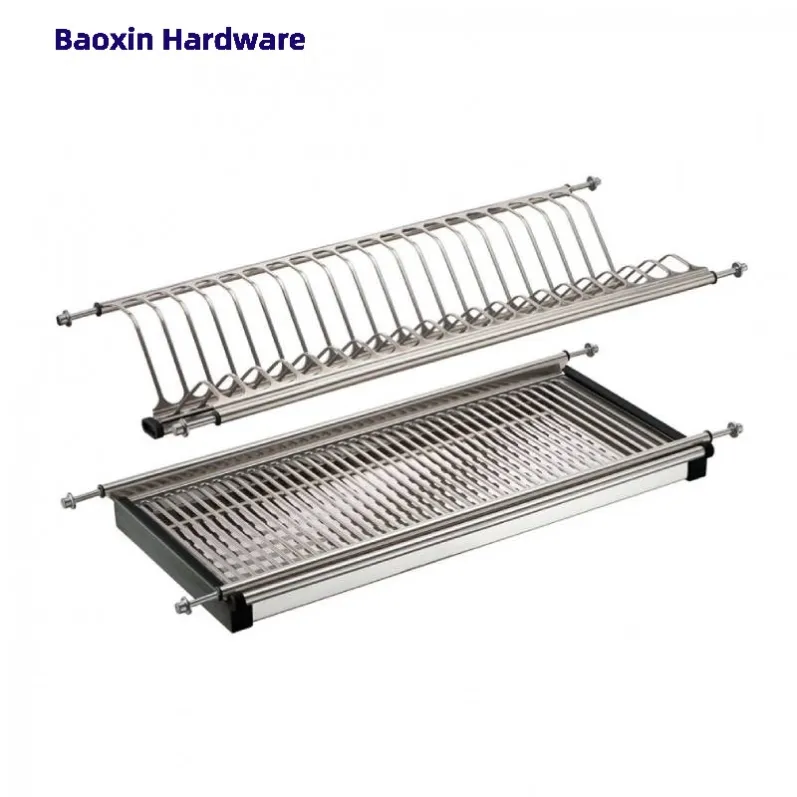
How to Choose a Stainless Steel Dish Rack for Wholesale & OEM Projects
Choosing a stainless steel dish rack for a retail shelf and choosing one for wholesale are two very different decisions.
For importers, distributors, kitchenware brands and project buyers, appearance is only one part of the purchasing process.
Material, structure, production consistency, packaging, customization and long-term supply capability can all affect the final purchasing decision.
Here are several important points B2B buyers should evaluate before placing an order.
1. Start with the Stainless Steel Material
The stainless steel grade is one of the first specifications worth confirming.
Different grades may be suitable for different target markets, price levels and product positioning.
When comparing suppliers, buyers should not only ask what material is used, but also confirm which parts of the dish rack use that material.
The frame, wire, tray, screws and accessories may have different material requirements.
For wholesale purchasing, clear material specifications help reduce misunderstandings before mass production.
2. Check the Structure and Load Capacity
A dish rack may look simple, but its structure directly affects the user experience.
Pay attention to:
- Wire thickness
- Frame stability
- Welding quality
- Plate and bowl spacing
- Load-bearing structure
- Installation method
- Anti-slip design
For multi-tier dish racks, structural stability becomes even more important.
A stronger and more practical structure can also help distributors reduce complaints and returns after the product enters the market.
3. Evaluate the Surface Finish
Surface treatment affects both appearance and maintenance.
For stainless steel kitchen products, buyers normally care about whether the surface is easy to clean, resistant to everyday kitchen moisture and suitable for the positioning of their market.
The finish should also remain visually consistent between different production batches.
For brands and distributors, consistency matters because customers expect products from the same series to have a similar appearance.
4. Consider Drainage and Daily Use
A good dish rack should not only hold dishes.
It should also make everyday kitchen use easier.
Depending on the design, buyers may want to evaluate:
- Drainage efficiency
- Removable water trays
- Plate spacing
- Bowl storage
- Cup holders
- Cutlery holders
- Hooks
- Countertop space usage
Different markets may prefer different layouts.
This is why understanding the end customer's kitchen habits is important before selecting a model.
5. Confirm Dimensions Before Ordering
Dimensions are especially important for distributors and project buyers.
A product that looks suitable in a catalog may not fit the target kitchen environment.
Before ordering, confirm:
- Overall product size
- Usable storage area
- Packaging dimensions
- Carton quantity
- Installation space
- Container loading efficiency
Packaging size can also influence logistics costs.
For large-volume orders, even a small improvement in packaging efficiency may make a meaningful difference in shipping.
6. Ask About Customization Options
For brands, wholesalers and distributors, customization can help differentiate the product from competitors.
Depending on the project, customization may include:
- Product dimensions
- Rack configuration
- Accessories
- Surface finish
- Logo
- Packaging
- Instruction manuals
- Barcode labels
Before developing a customized model, it is useful to provide the supplier with your target market, expected order quantity and required specifications.
This helps both sides evaluate the project more efficiently.
7. Evaluate More Than the Sample
A good sample is important, but B2B purchasing should not stop there.
The bigger question is whether the supplier can maintain similar quality during mass production.
Buyers should also evaluate:
- Production experience
- Quality control
- Packaging standards
- Communication efficiency
- Lead time
- Order consistency
- Customization capability
For long-term cooperation, stable production is often more valuable than simply finding the lowest initial quotation.
Choosing the Right Dish Rack Supplier
There is no single stainless steel dish rack that is suitable for every market.
A model designed for an online retailer may be different from one designed for a supermarket, kitchenware distributor or project customer.
The right choice depends on your target price, customer group, required functions, packaging requirements and sales channel.
If you are sourcing stainless steel dish racks for wholesale, distribution, private label or OEM projects, prepare your required dimensions, target quantity, market and customization requirements before requesting a quotation.
This will make supplier comparison faster and help you receive a more accurate proposal.